The Four Stages of the Anima: Eve, Helen, Mary, and Sophia
An Essay on Carl Gustav Jung’s Model of Anima Development
Carl Gustav Jung, one of the founding fathers of analytical psychology, introduced the concept of the Anima as the unconscious feminine aspect within the male psyche. According to Jung, the Anima evolves through distinct stages, which he poetically associates with four archetypal female figures: Eve, Helen, Mary, and Sophia. These figures not only represent phases of psychological and emotional development but also serve as symbolic keys to understanding a man’s relationship to the feminine—both internally and in the external world.
1. Eve: The Primordial Woman of Desire and Nourishment
The first stage of the Anima is represented by Eve, a figure rooted in primal biology and instinct. Eve symbolizes the mother archetype—the original source of life, nourishment, and protection. At this level, the Anima is closely tied to basic needs and emotional dependency. Men at this stage perceive the feminine primarily as a provider of comfort and physical sustenance. Psychologically, the Anima is undeveloped, raw, and often merges indistinguishably with the mother image. Emotional life tends to revolve around attachment, and the man’s psyche may still be strongly influenced by childhood experiences and unconscious desires for security and care.
2. Helen: The Ideal of Romantic and Sexual Beauty
Moving beyond the maternal and instinctual, the Anima advances to the stage embodied by Helen of Troy, a symbol of physical beauty and sexual allure. Helen represents the idealized woman, the romantic fantasy that captivates the male imagination. Here, the Anima is a projection of aesthetic and erotic ideals—often unattainable and unrealistic. This stage is marked by a fascination with external appearances and fleeting relationships. Men influenced by the Helen archetype may find themselves chasing illusions of perfect love, engaging in multiple romantic adventures, but struggling to find genuine connection. The Helen stage underscores the tension between fantasy and reality in human relationships.
3. Mary: The Spiritual and Moral Ideal
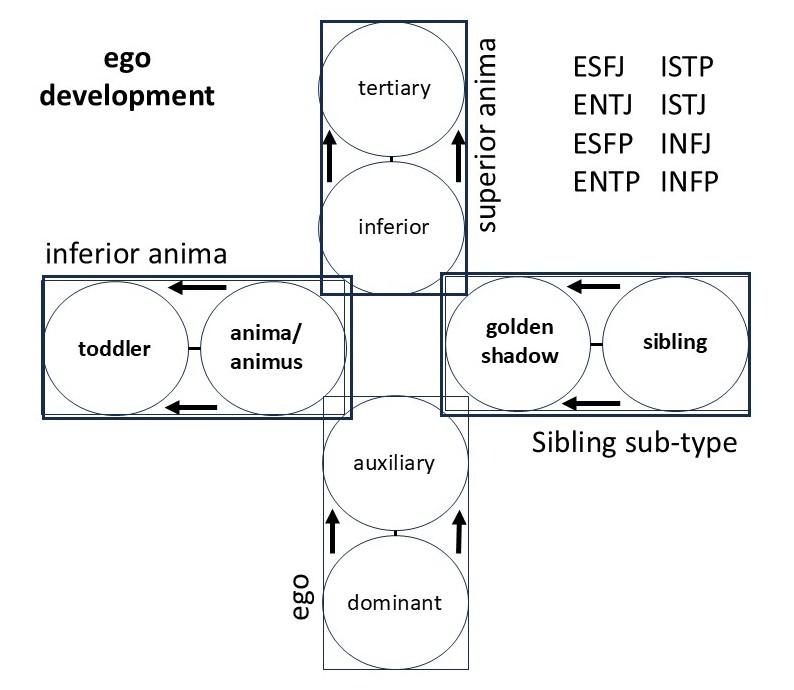
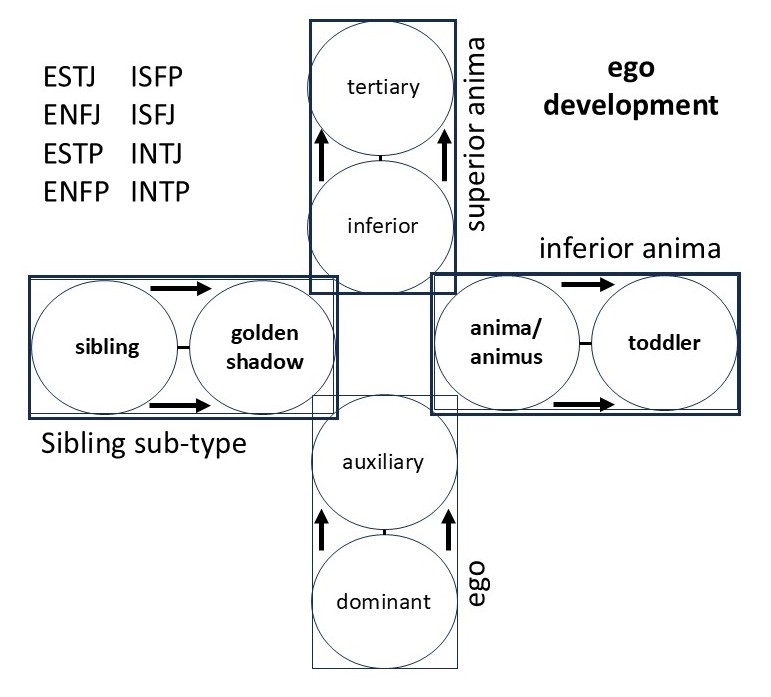
The third phase of the Anima’s development is Mary, embodying spiritual purity, compassion, and moral virtue. Unlike Helen, who appeals to physical and aesthetic attraction, Mary represents the sacred and transcendent aspects of the feminine. She is a symbol of devotion, selflessness, and inner grace. This stage often coincides with a man’s growing capacity for mature love—one that integrates both the emotional and the spiritual dimensions of relationships. The Anima as Mary inspires ethical behavior, deeper empathy, and the recognition of the feminine as a source of wisdom and guidance rather than mere desire or idealization. It reflects the man’s evolving consciousness and increasing differentiation between love and lust. In Ontolokey the Mary-Anima stage is called the inferior Anima/Animus which needs to be integrated by both, men and women.
4. Sophia: The Wisdom and Completeness of the Feminine
The final and highest stage is Sophia, the embodiment of divine wisdom and the fully realized Anima. Sophia signifies the integration of the feminine into the male psyche as a complete, autonomous personality. At this level, the Anima is no longer an external projection or a simple archetype but a living inner guide that fosters creativity, insight, and spiritual growth. Sophia is the companion of individuation—the process through which a person achieves psychological wholeness. She represents balance and harmony between masculine and feminine principles and the wisdom that arises from this union. The man who embraces Sophia transcends previous limitations and attains a profound connection to both his inner world and the broader mysteries of existence. In Ontolokey the Sophia-Anima stage is called the superior Anima/Animus which needs to be integrated by both, men and women.
Conclusion
Jung’s framework of the Anima stages—Eve, Helen, Mary, and Sophia—provides a powerful symbolic map for understanding a man’s psychological relationship with the feminine. Each stage marks a different quality of emotional life, from primal dependency to idealization, spiritual reverence, and ultimately, wisdom and integration. This progression is not merely about women as external beings but reflects an inner developmental journey toward psychological maturity and balance.
Through this archetypal journey, Jung invites us to recognize and integrate the feminine aspects within ourselves, promoting wholeness and transformation. The Anima, far from being a simple psychological curiosity, is a vital part of the human psyche’s quest for meaning, love, and self-realization.
Applying Jung’s Four Anima Stages in Modern Psychology and Daily Life
Jung’s concept of the Anima and its development stages—Eve, Helen, Mary, and Sophia—remains profoundly relevant today, not only in analytical psychology but also in broader contexts like personal growth, relationships, and emotional intelligence.
Psychological Relevance Today
Modern psychology recognizes the importance of integrating unconscious parts of the self to achieve psychological health. The Anima represents the feminine qualities—such as intuition, emotionality, receptivity, and relational capacity—that often remain underdeveloped in men due to cultural conditioning. Jung’s four stages map out common patterns men (and even women, in different ways) experience in relating to their inner feminine and the external feminine in their lives.
- Eve Stage: Reflects dependency issues and emotional immaturity. Therapeutic work here often focuses on healing early attachment wounds and fostering emotional security.
- Helen Stage: Mirrors idealization and difficulties with realistic intimacy. Therapy can help distinguish fantasy from reality, promoting authentic connections.
- Mary Stage: Aligns with spiritual growth and ethical development, often encouraging men to embrace compassion, responsibility, and mature love.
- Sophia Stage: Corresponds to individuation and self-actualization, where the person achieves inner harmony and wisdom.
Practical Applications for Self-Development
- Self-Reflection and Awareness
Recognizing which Anima stage you resonate with can help illuminate unconscious patterns in your emotional life and relationships. Are you seeking comfort and security (Eve)? Chasing idealized romantic fantasies (Helen)? Moving toward spiritual or moral growth (Mary)? Or cultivating inner wisdom (Sophia)? - Balancing Masculine and Feminine Energies
Modern psychological health benefits from balancing active, goal-oriented masculine qualities with receptive, intuitive feminine ones. Engaging with your Anima stages can foster emotional openness, creativity, and deeper empathy—qualities often undervalued in traditional masculinity. - Enhancing Relationships
Understanding your Anima projections helps improve relationships by revealing unrealistic expectations or dependencies on partners. As you integrate each stage, you move from unconscious projection to conscious appreciation and partnership. - Embracing Creativity and Spirituality
The Sophia stage especially encourages engagement with creativity, art, and spirituality as ways to connect with deeper aspects of the psyche and life’s meaning.
Final Thoughts
Jung’s Anima stages offer a timeless framework that bridges ancient myth, literature, and modern psychology. By exploring Eve, Helen, Mary, and Sophia within ourselves, we open the door to profound inner transformation—cultivating emotional maturity, authentic relationships, and wisdom. This journey toward integration not only enriches our personal lives but also deepens our understanding of human nature itself.
 Ontolokey
Leave a comment